The Tripitaka Koreana
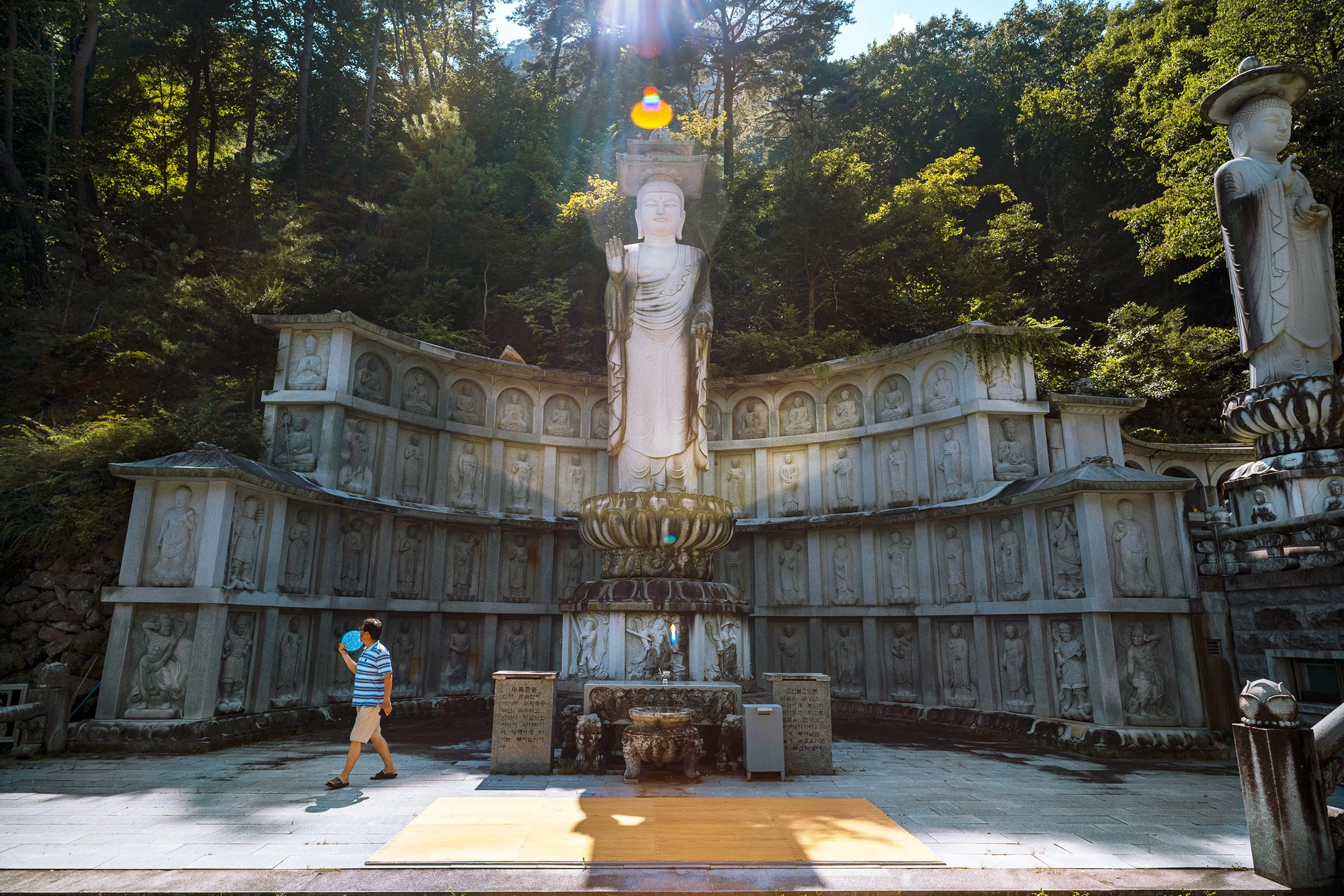
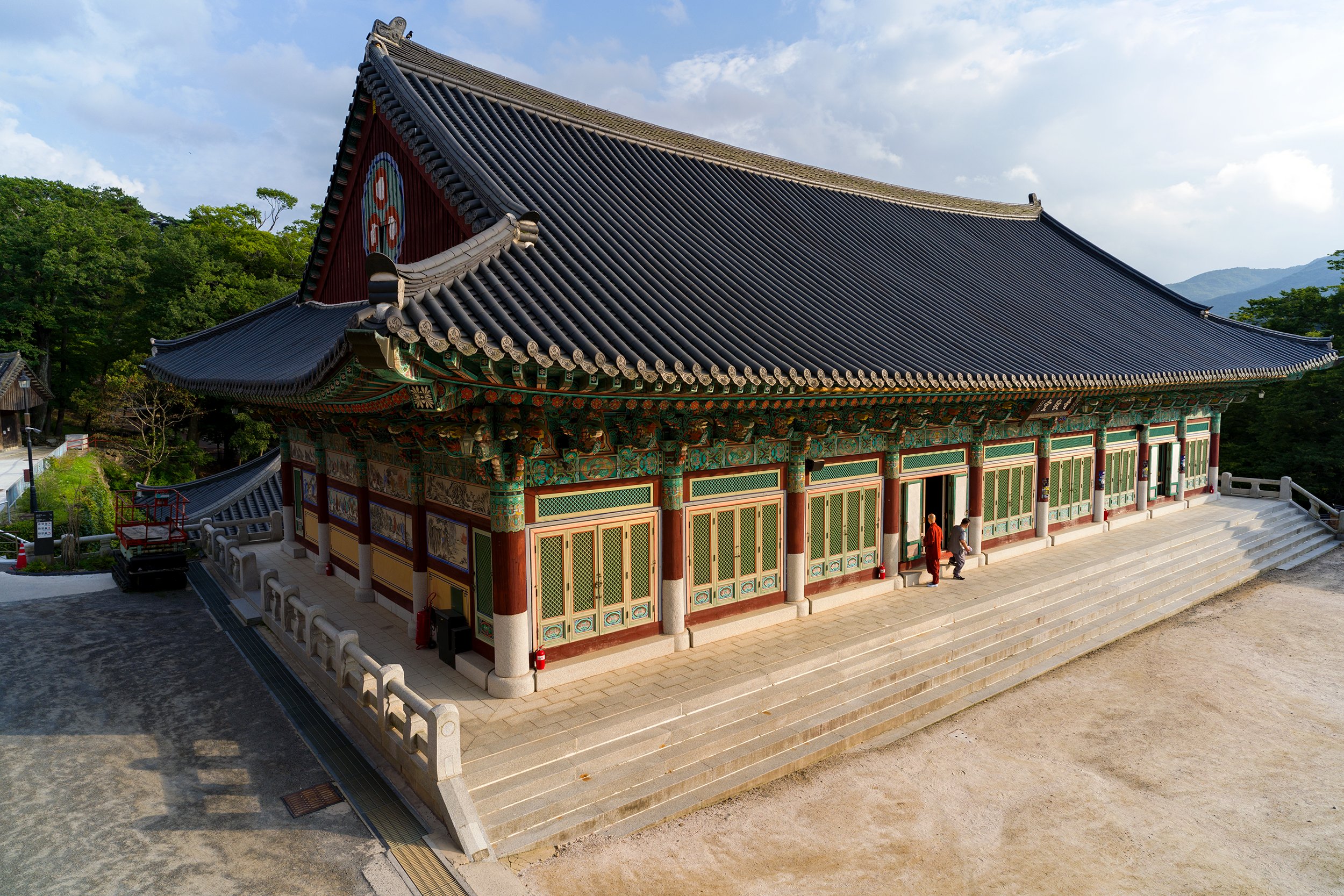
Among the mountains of Gayasan, wrapped in the silence of the forests and the sound of mountain streams, stands the Haeinsa Temple : "the temple of reflection on a calm sea." Founded in 802 and designated a UNESCO World Heritage Site in 1995, it safeguards one of the most extraordinary treasures of Buddhist civilization: The Tripitaka Koreana.
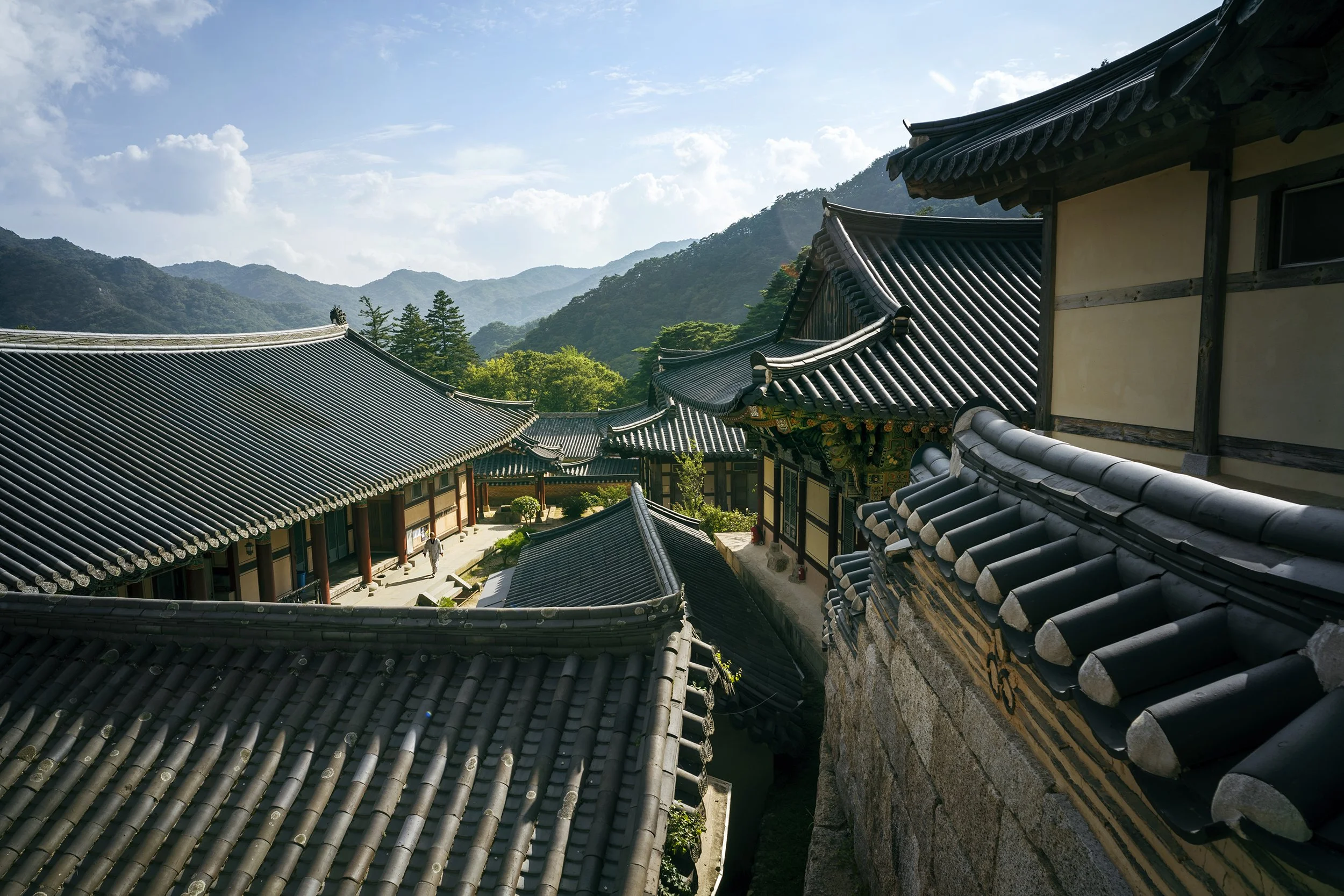
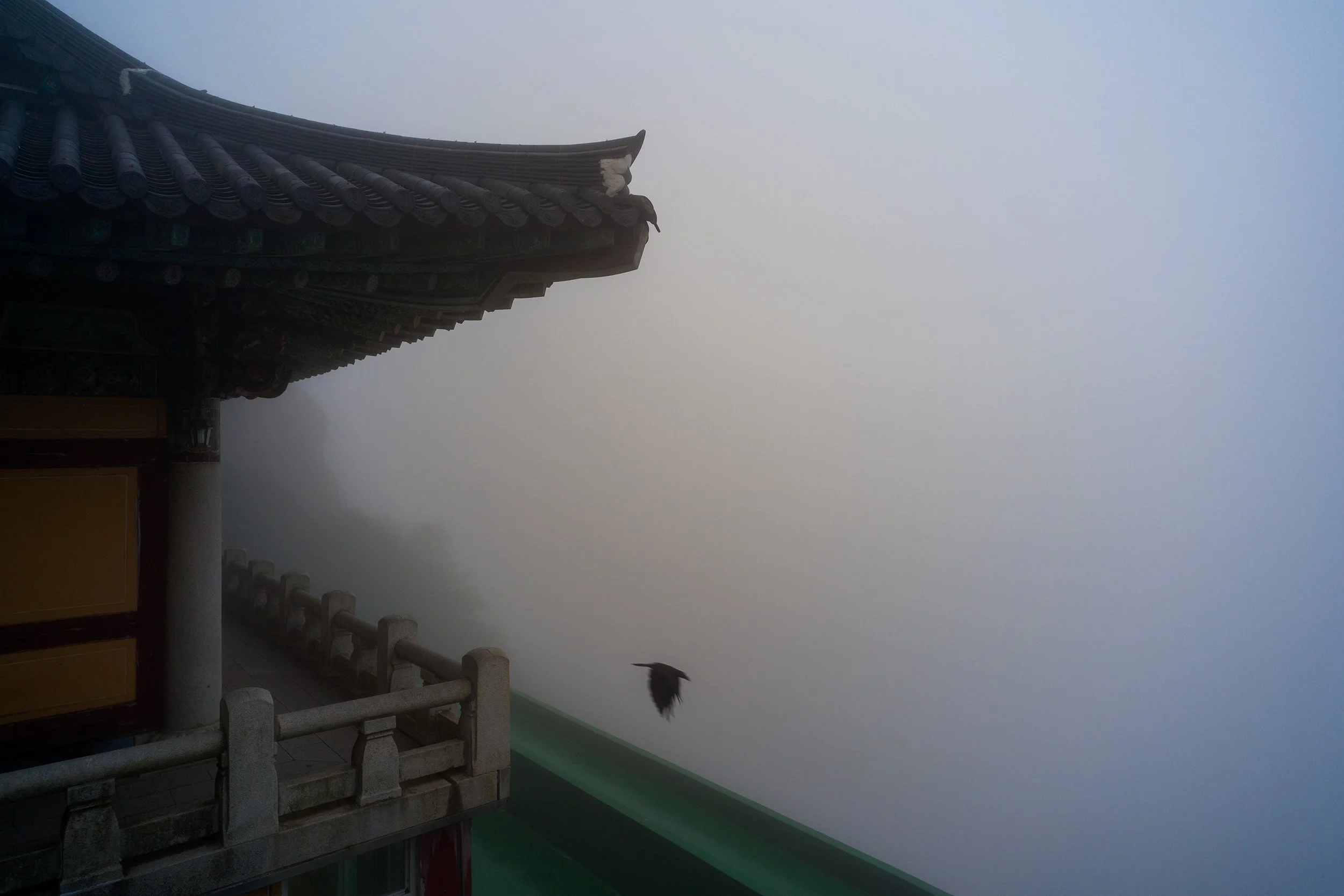
I heard it before I saw it: a low murmur of chanting, carried through pine trees still wet with morning fog, long before the gates of Haeinsa came into view. The name means "reflection on a calm sea," and after a few hours there, I understood why. Everything about this place, tucked into the folds of Mount Gaya in South Korea, seems built around stillness.
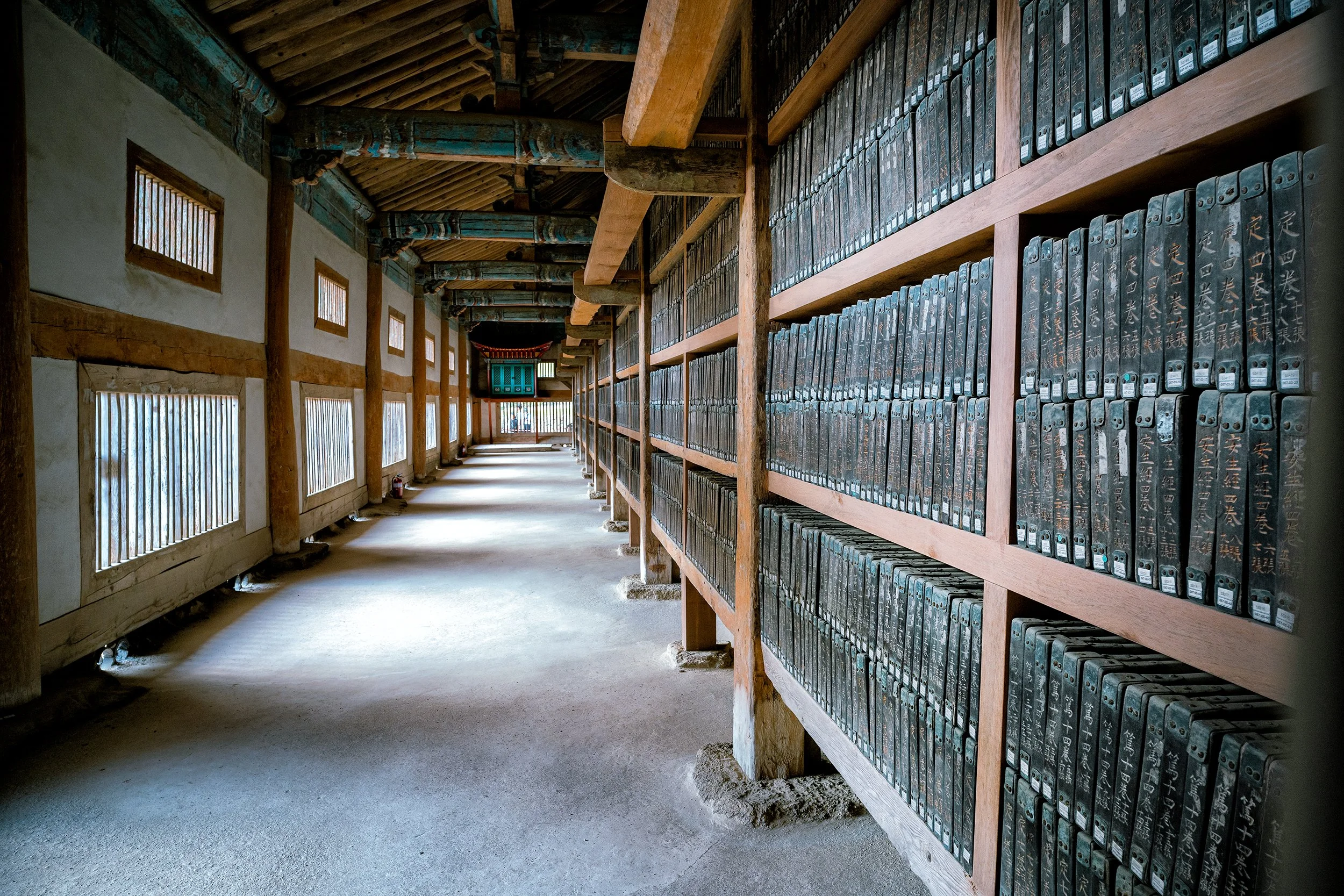
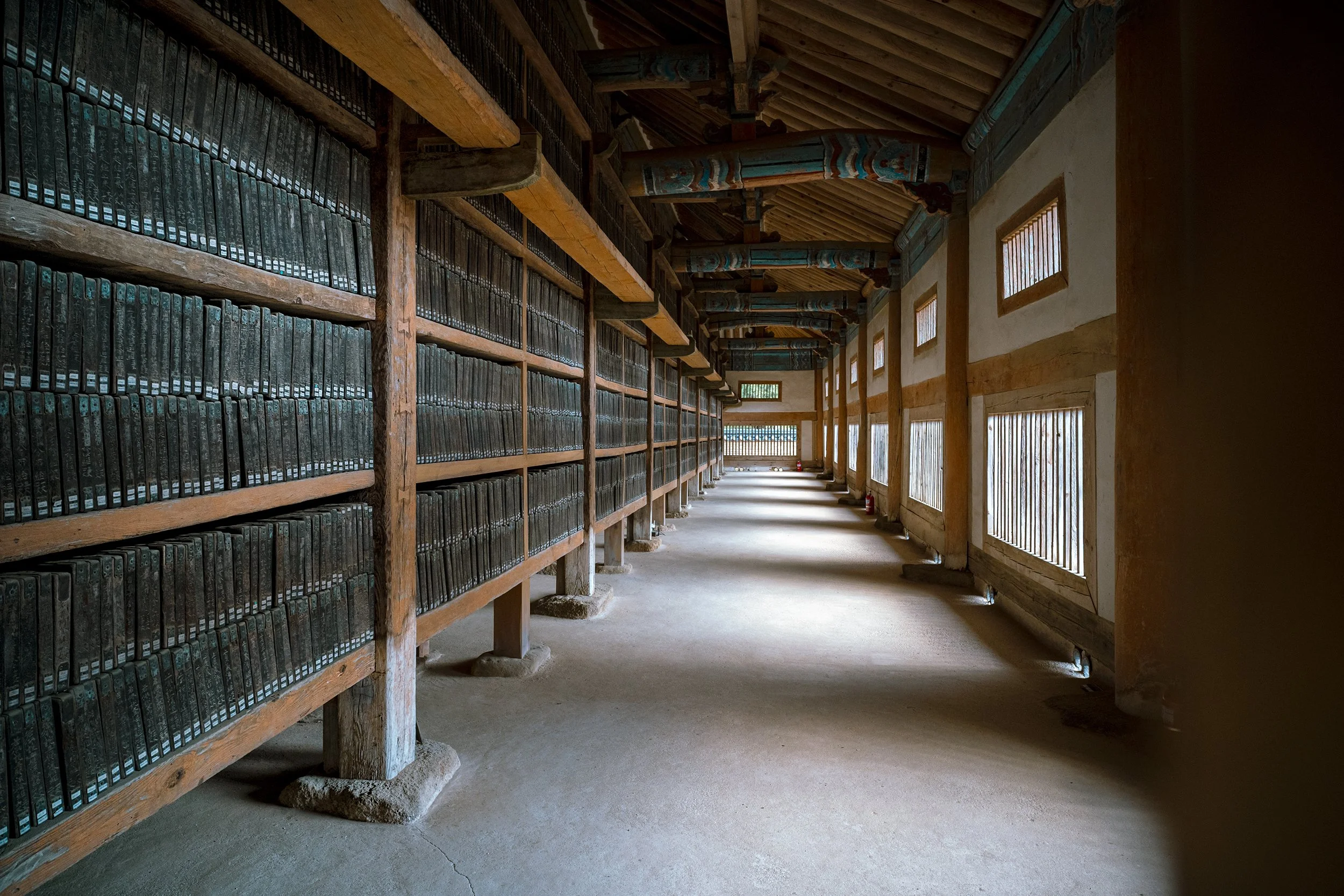
I had come to photograph something the world rarely gets to see: a treasure hidden in plain sight for eight centuries. Inside two unassuming wooden buildings, behind lattice windows that let in only slivers of light, rest more than 81,000 carved woodblocks, the Tripitaka Koreana, the most complete and error-free version of the Buddhist canon in existence. What moved me most was the story behind it. The first set of blocks was destroyed in 1232 during a Mongol invasion. Rather than mourn the loss, the monks began again, carving the entire canon from scratch over sixteen years, as an act of faith rather than despair. Each block started as raw birch wood, soaked in seawater for three years, boiled in brine, then left to season in shade and wind for three more: nearly a decade of patience before a single character was ever cut. It is one of the great engineering and spiritual achievements of the medieval world, completed two centuries before Gutenberg ever touched a press. Somehow, through fire, war, and time, it has survived intact, even during the Korean War, when it was deliberately spared for what it represents to all of humanity.
But the longer I stayed, the less the story felt like it belonged to the past.
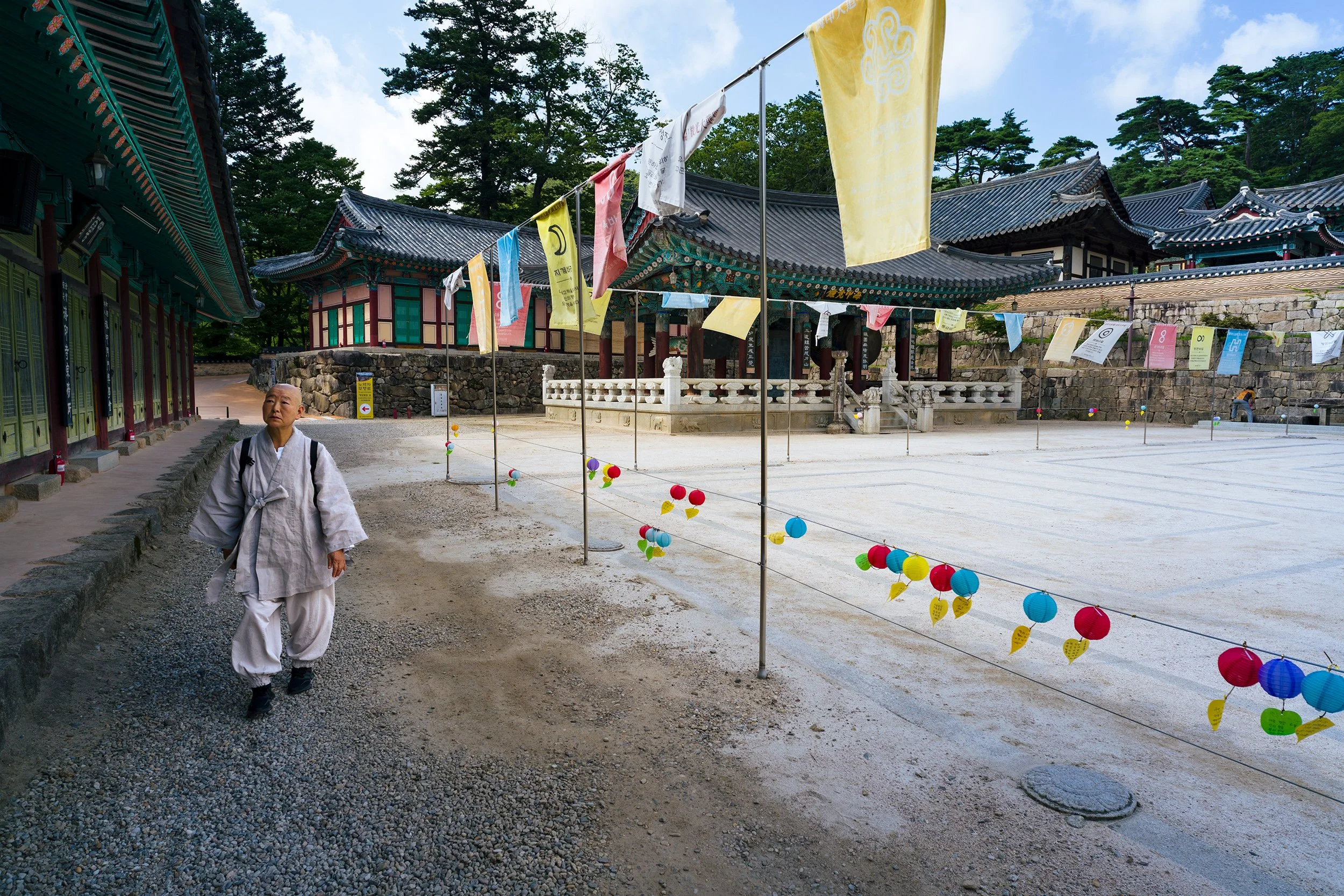
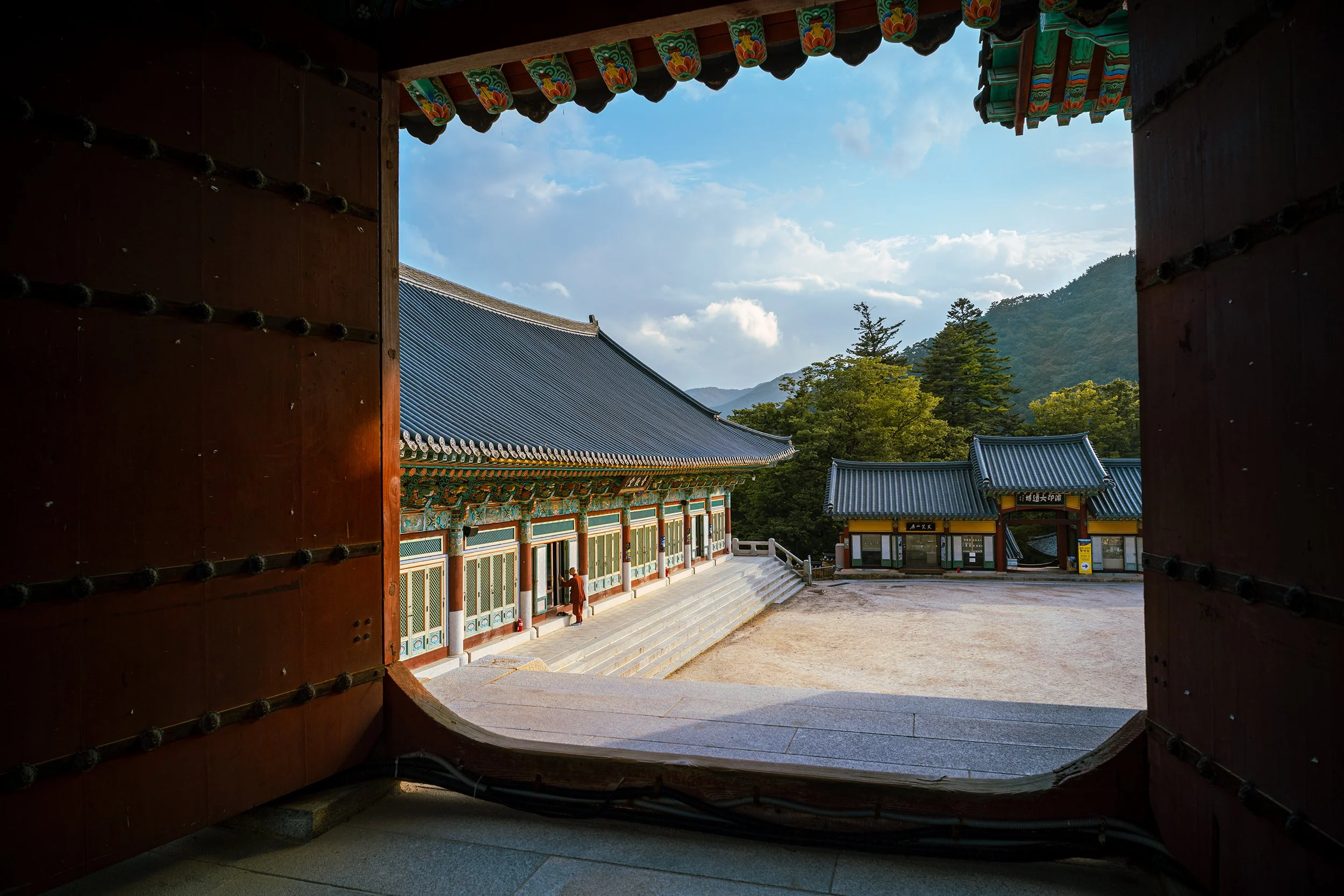
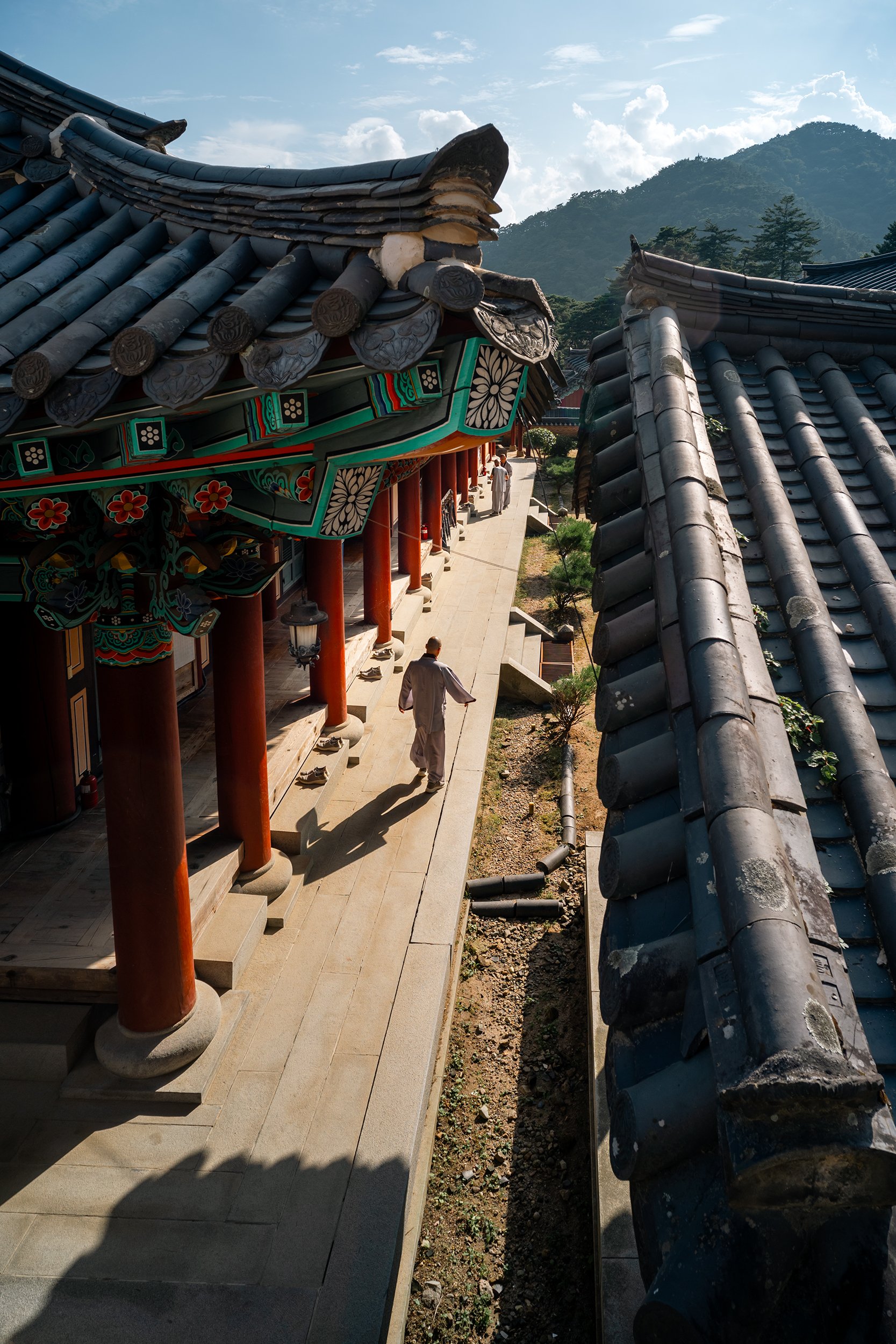
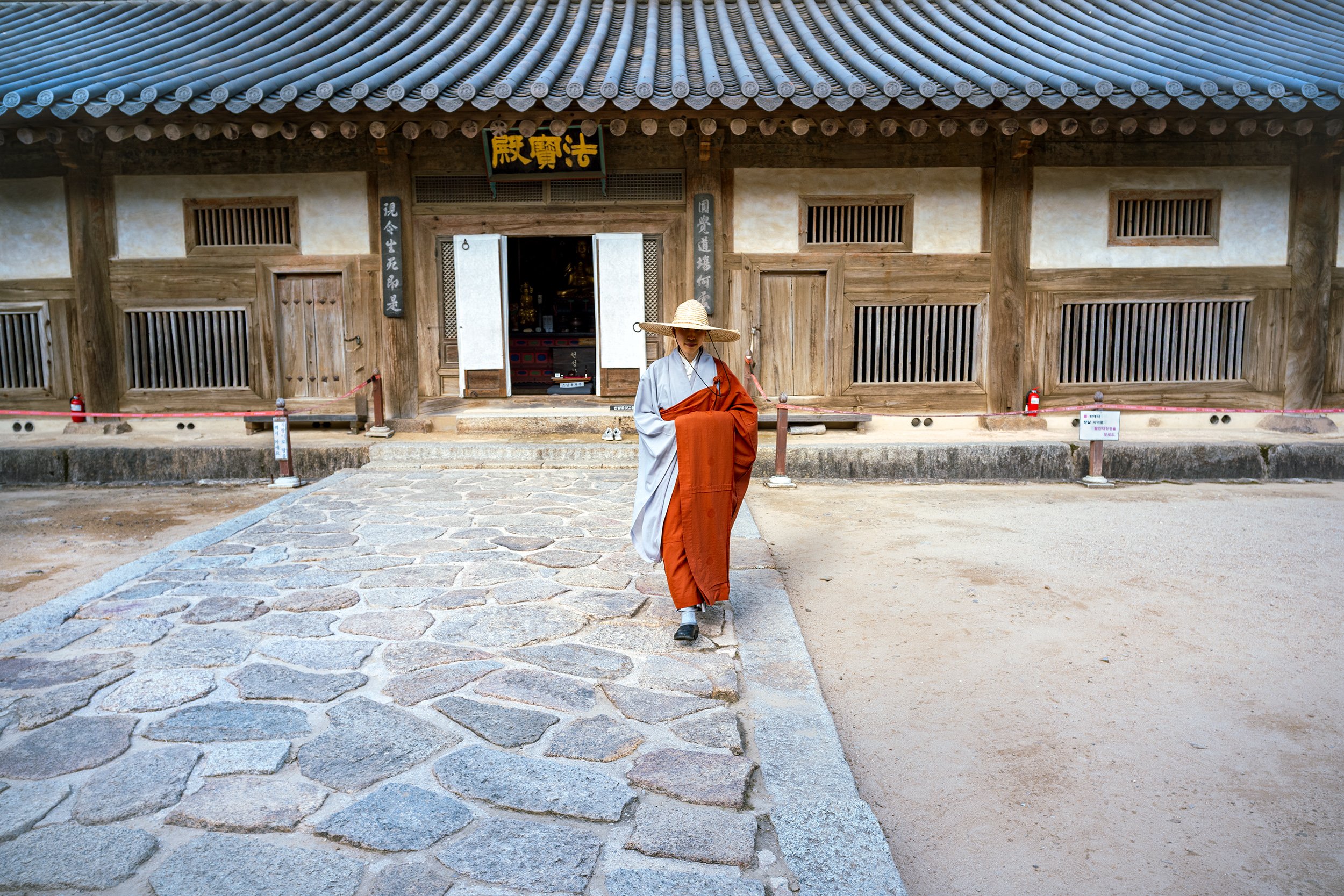
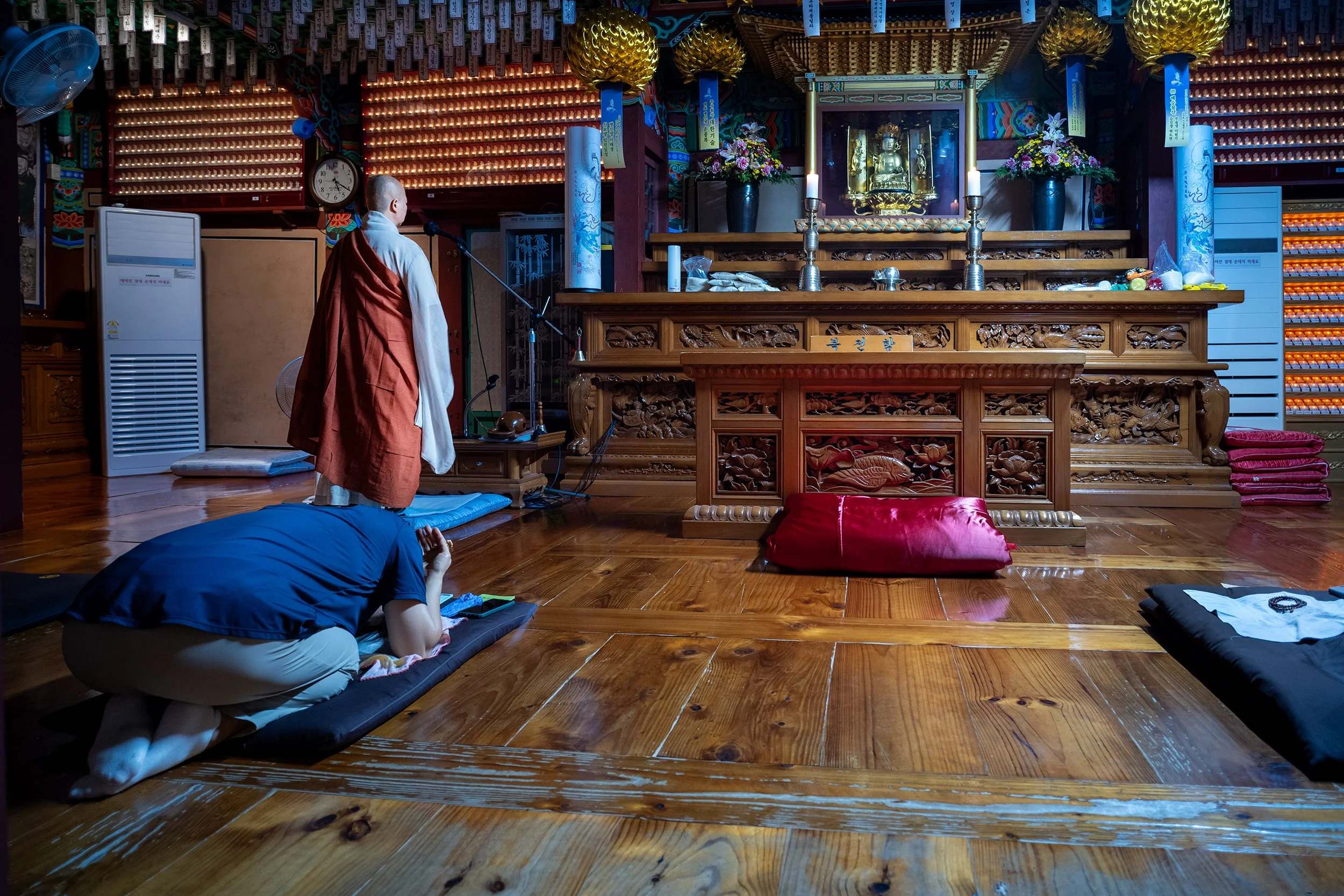
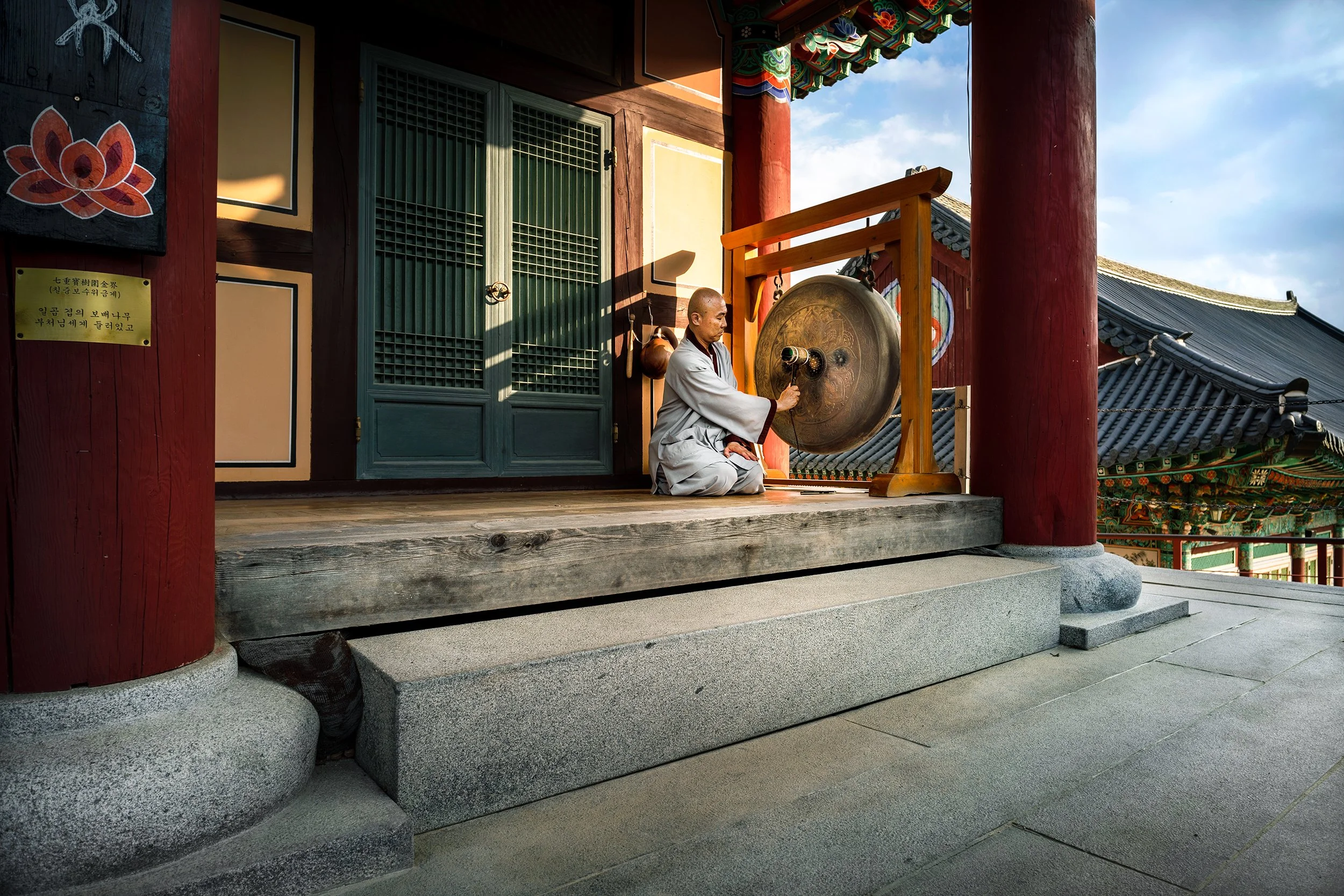
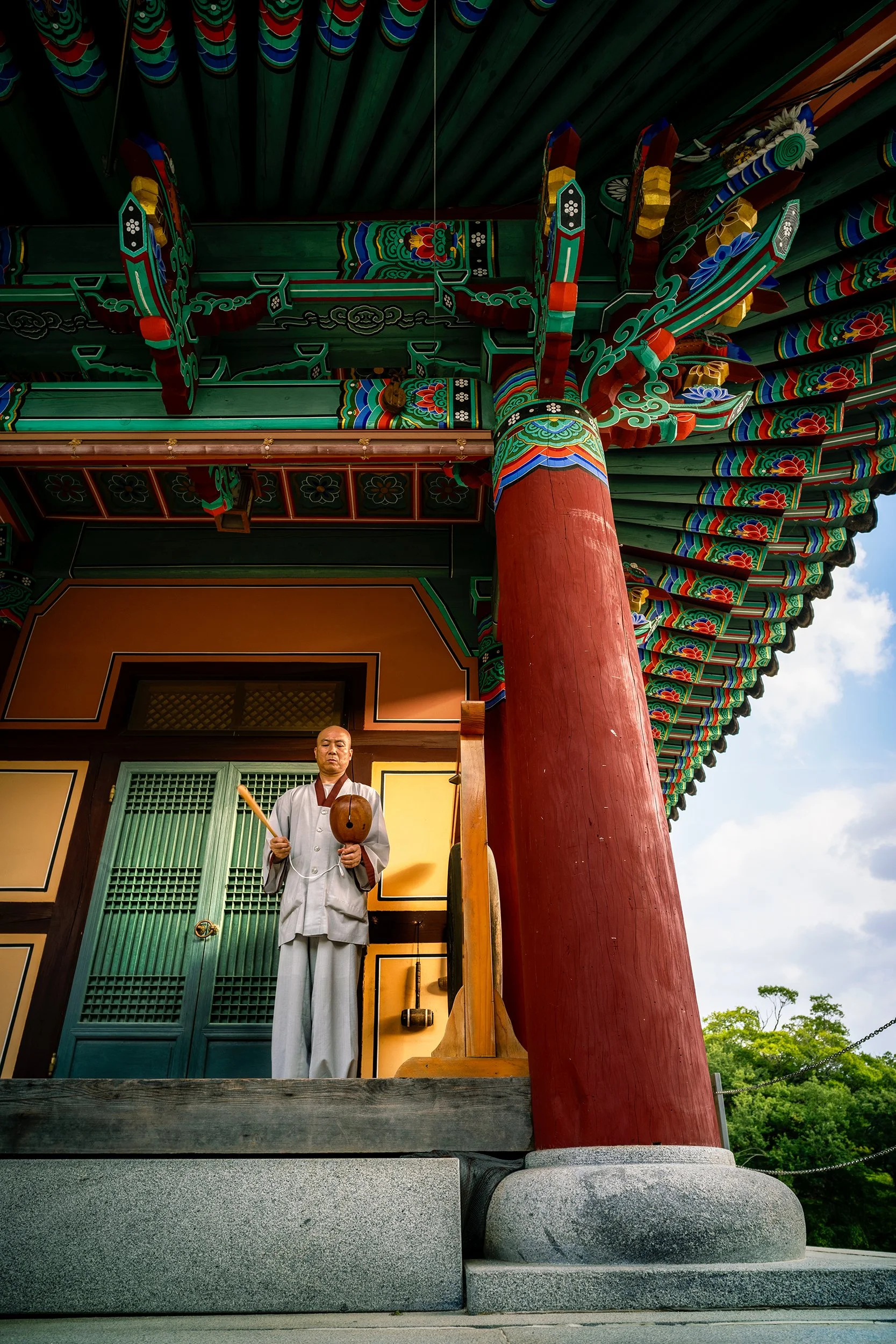
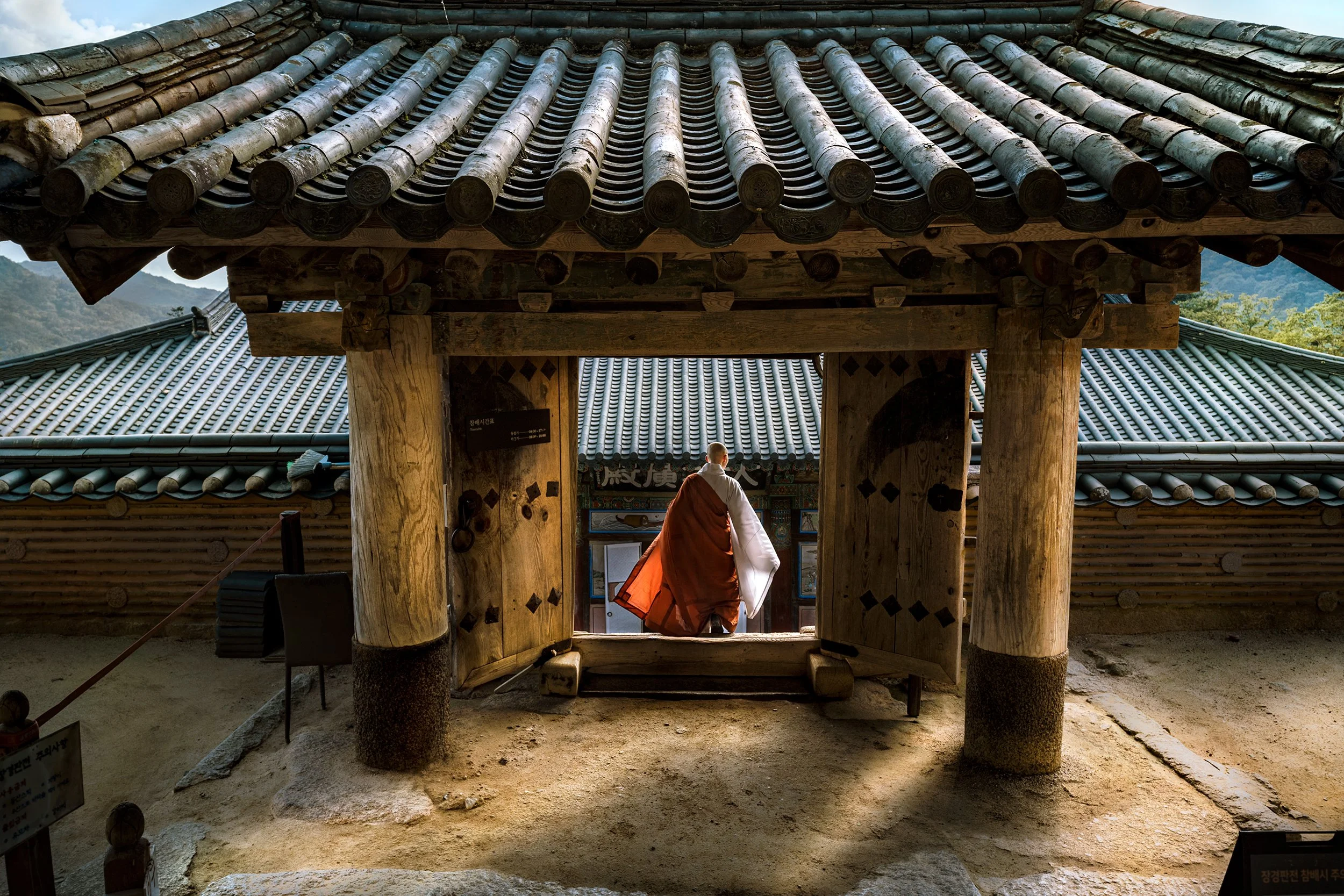
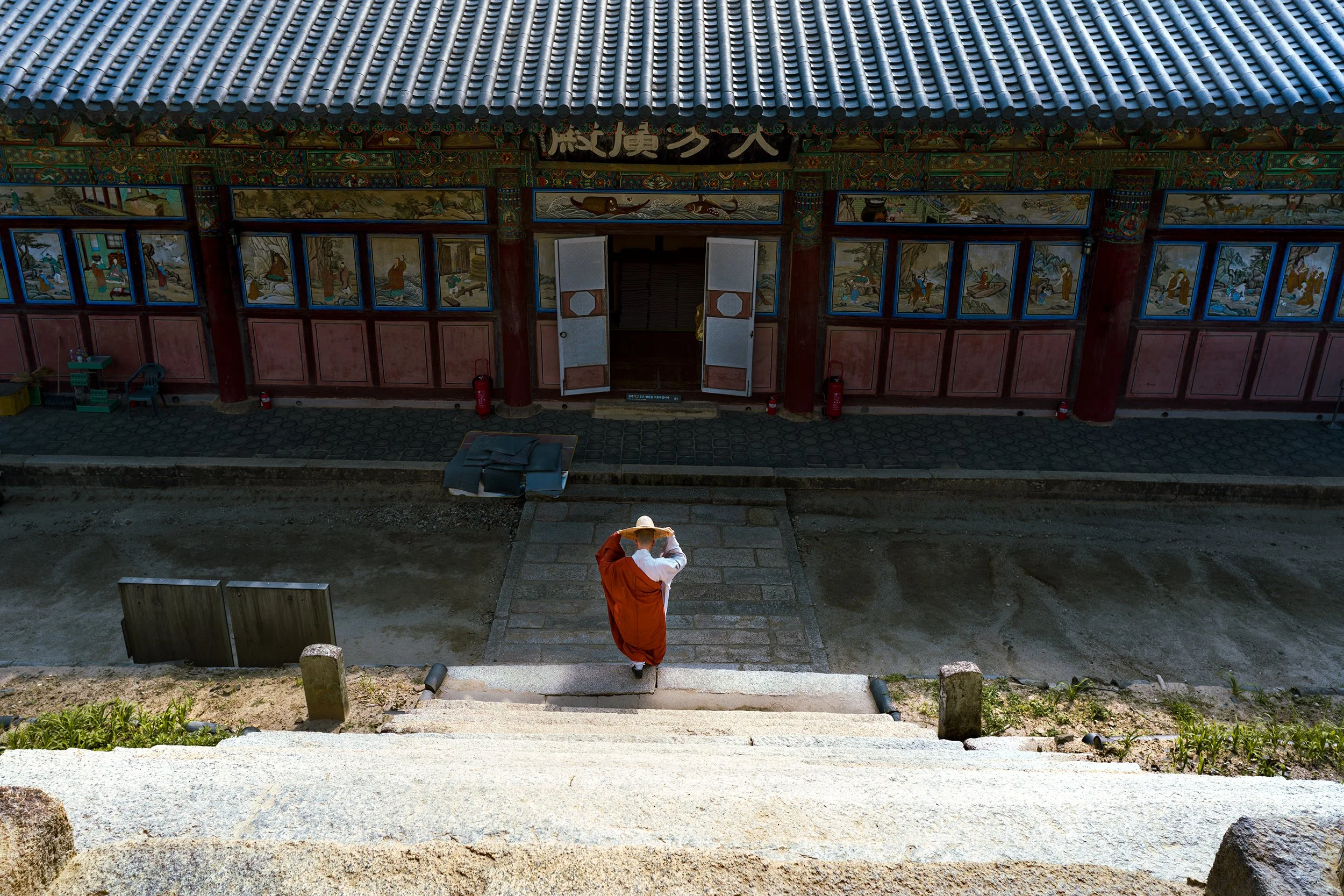
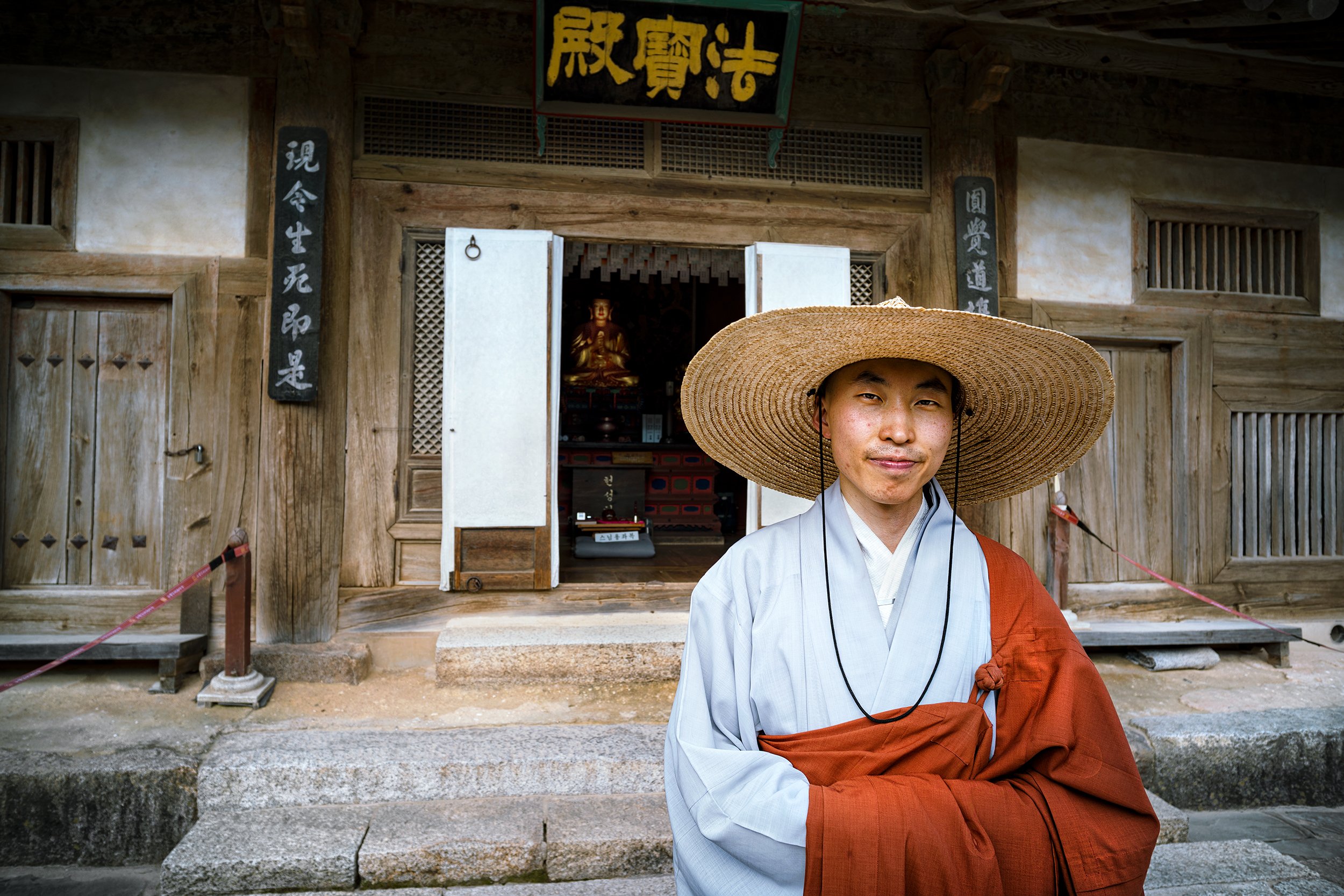
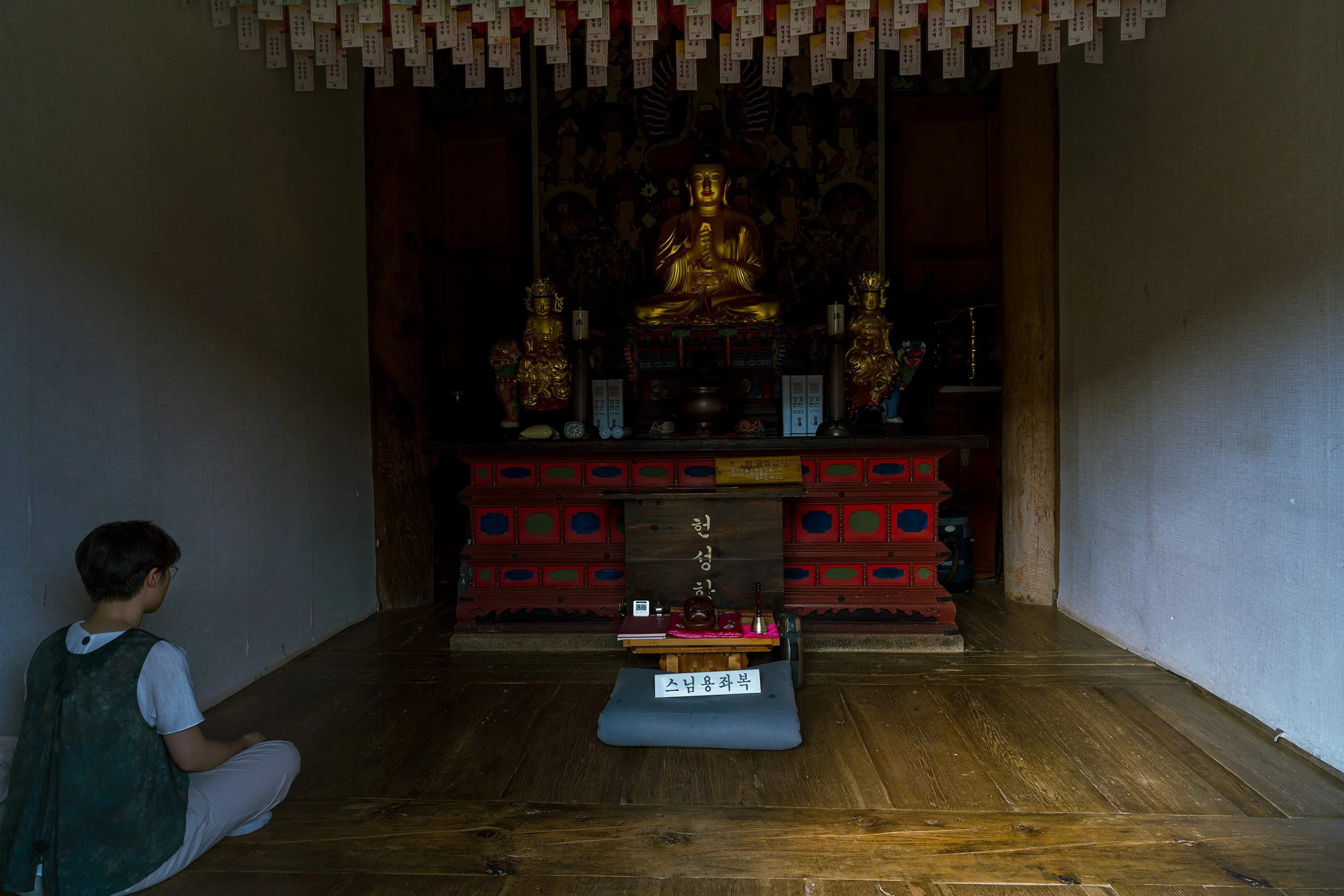
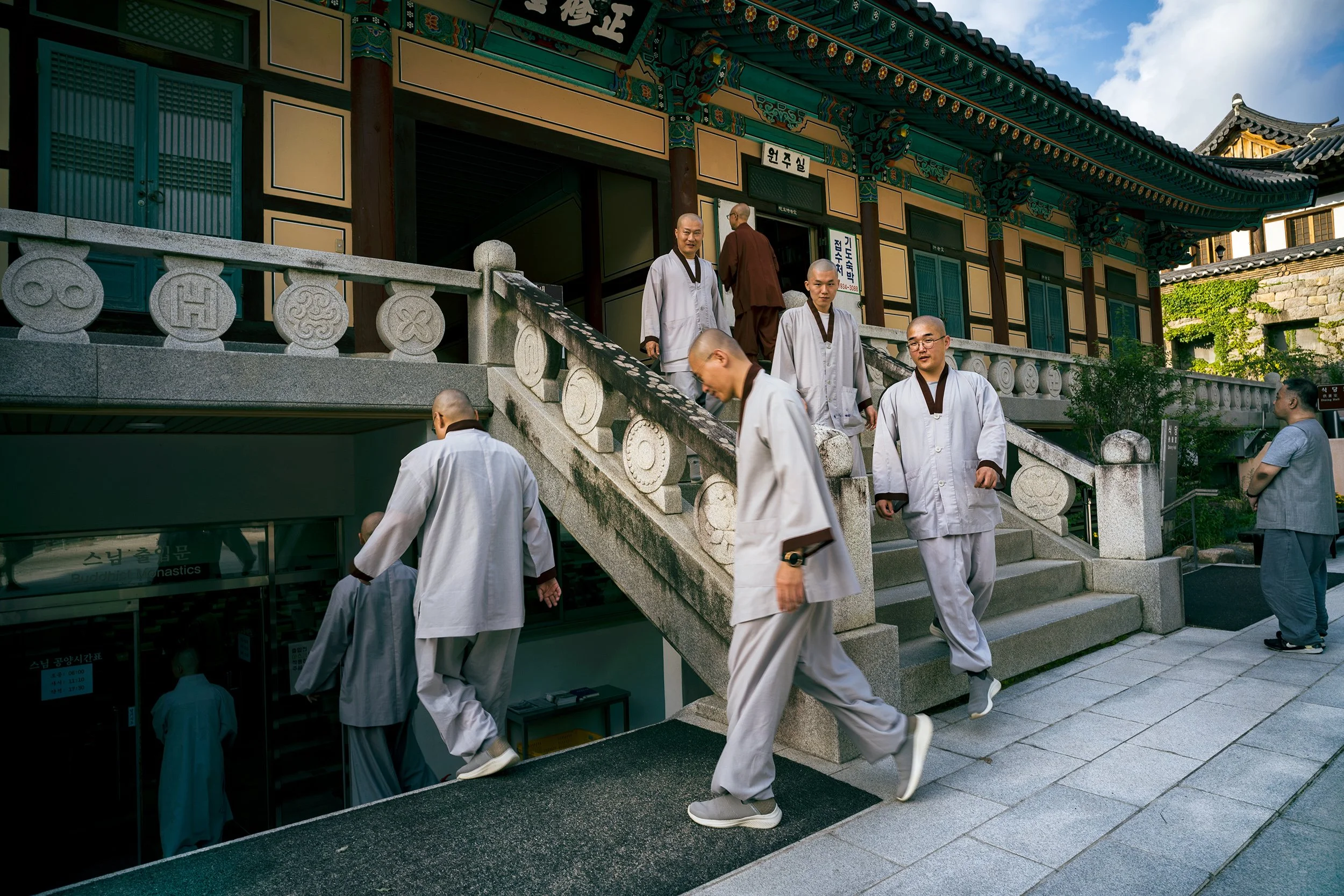
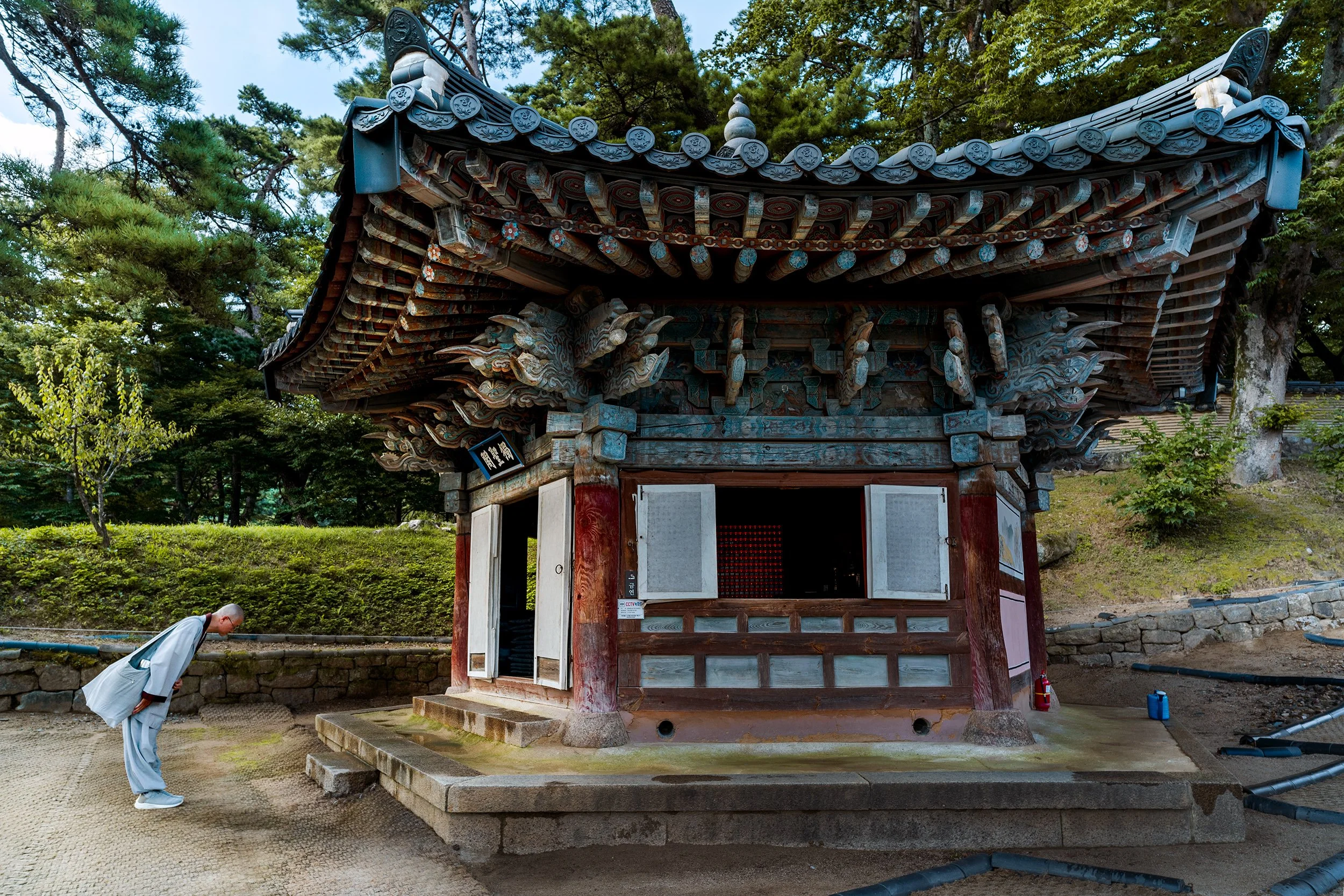
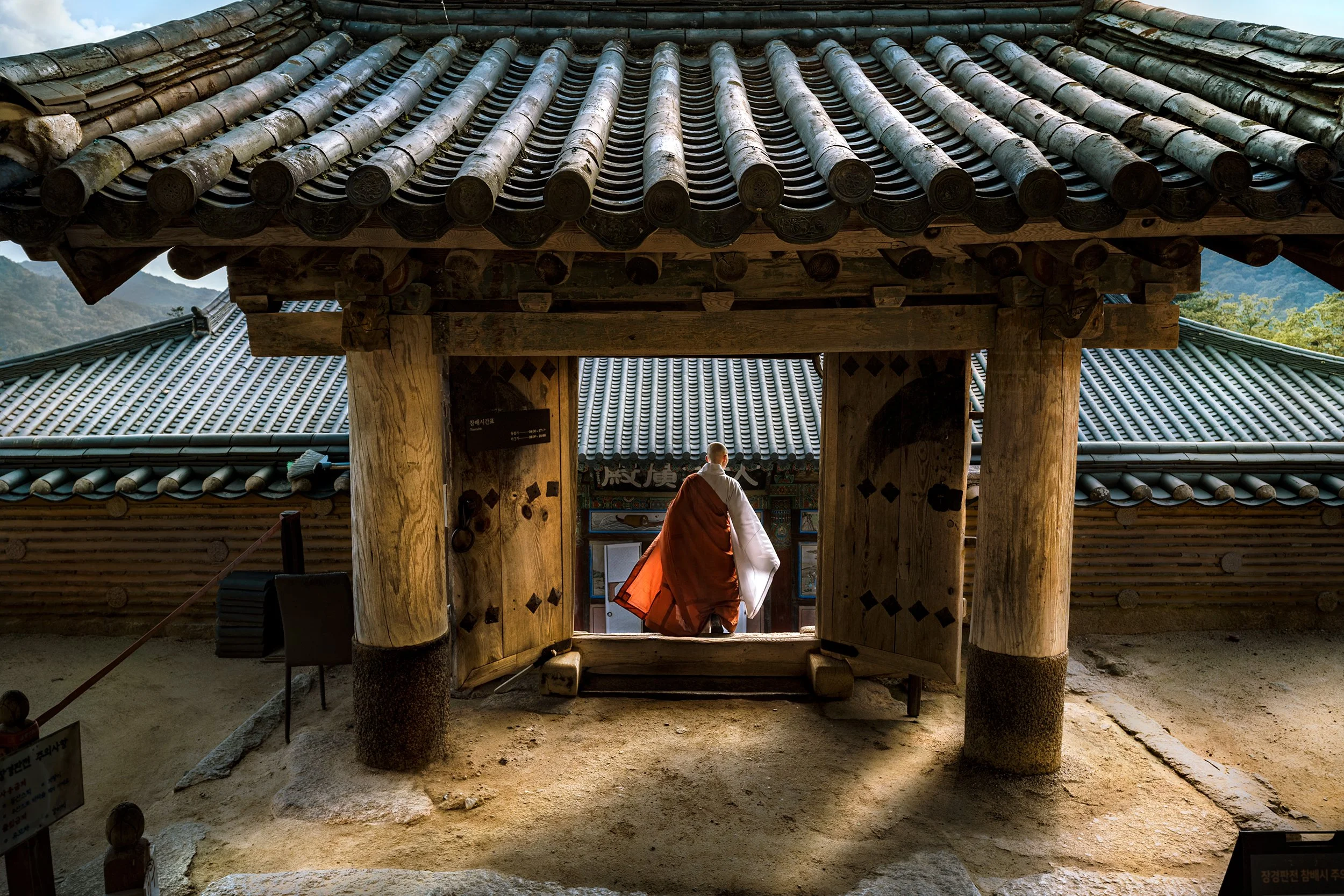
Haeinsa is a living temple, not a museum. It is the head temple of the Jogye Order, one of the country's main training grounds for monks, and one of Korea's Three Jewel Temples, standing for the Dharma, the Buddha's teaching. Monastic life here has barely changed in centuries: chanting three times a day, plain vegetarian meals, long stretches of walking meditation through the same courtyards their predecessors crossed generations ago. I watched monks walk past the very buildings holding the Tripitaka without so much as a glance, not out of indifference, but because for them the scripture isn't only what's carved in wood. It's the discipline of showing up, day after day, in silence: the living continuation of what those first carvers began, devotion renewed not once in the 13th century, but every morning since.
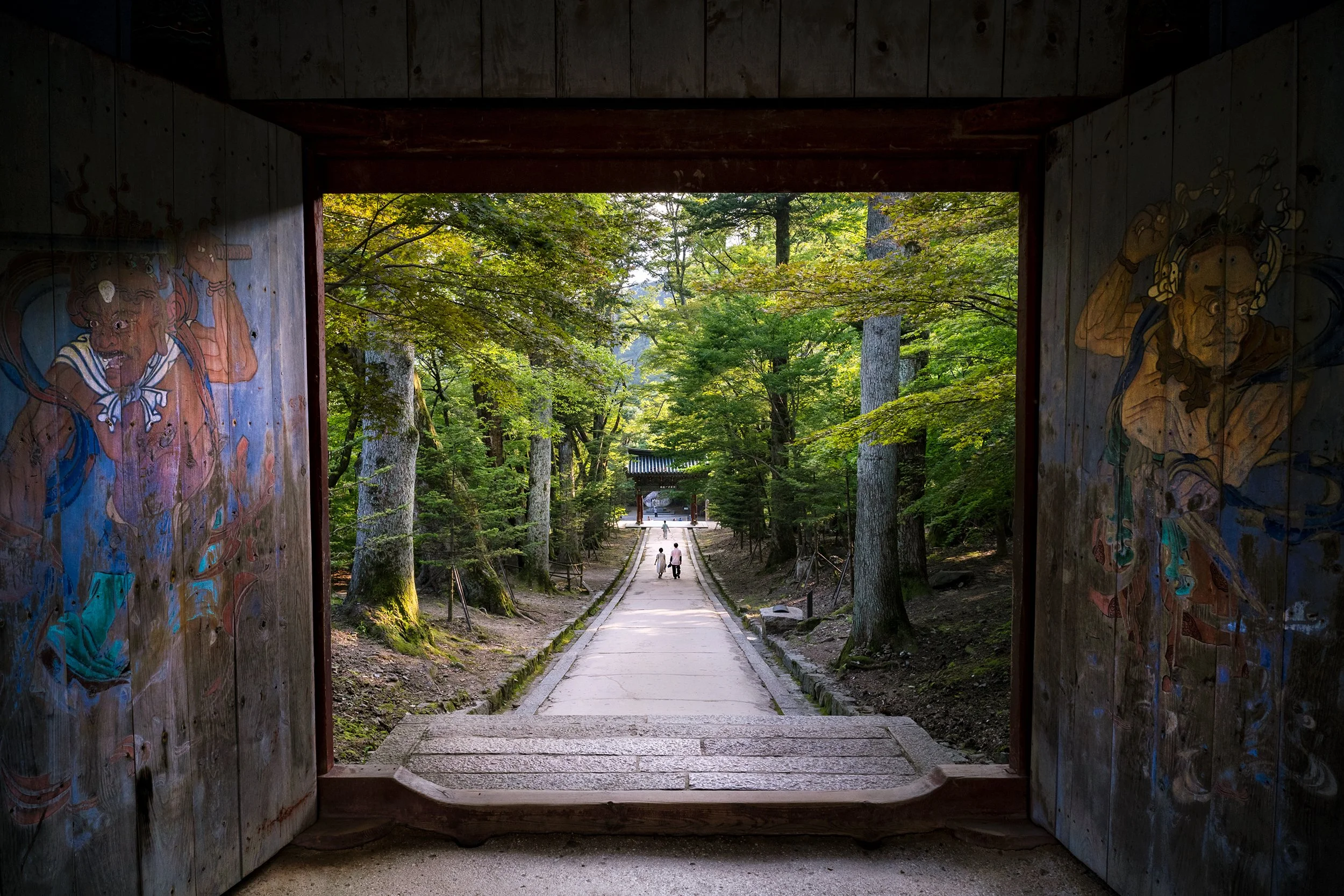
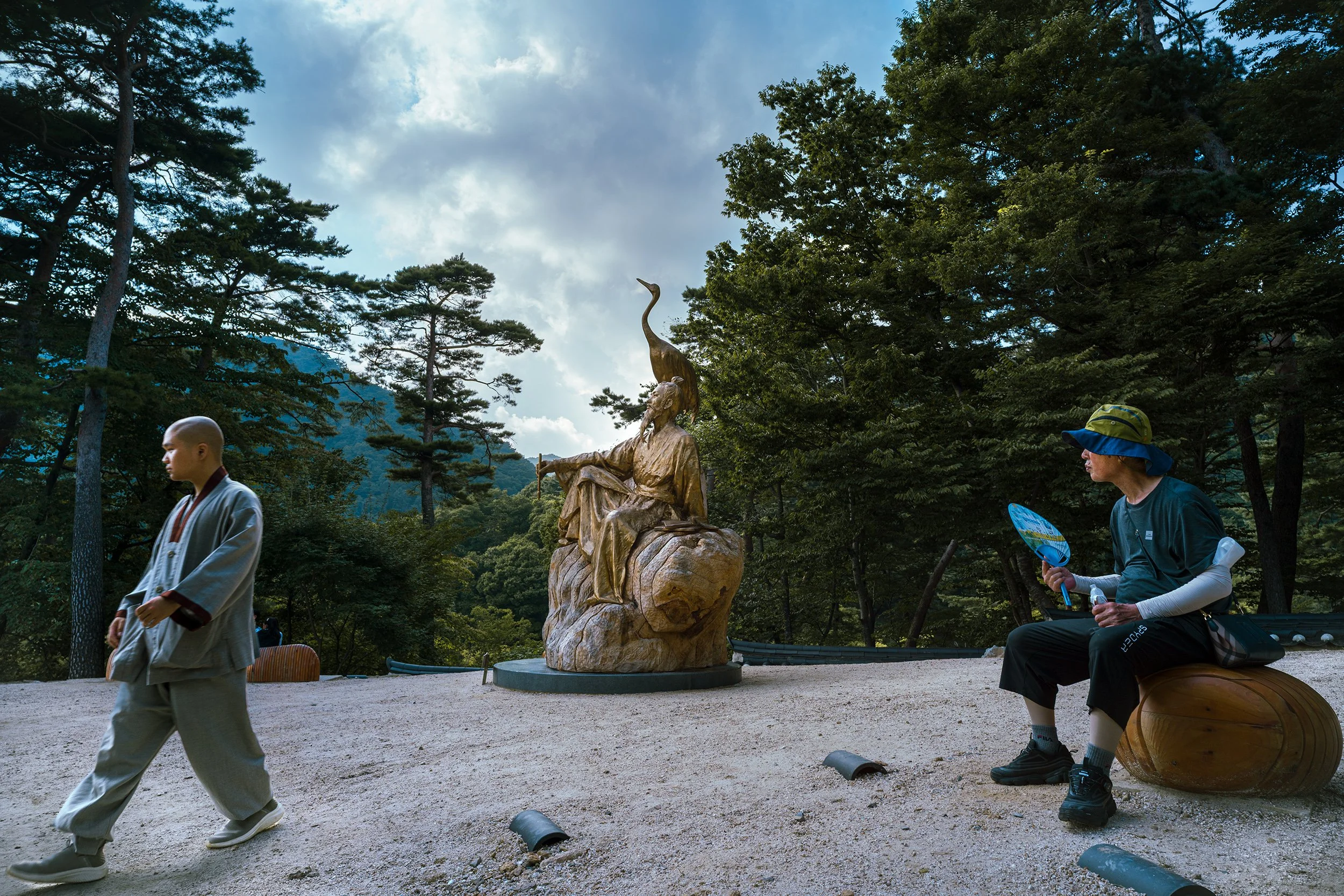
Pilgrims have climbed this same mountain path for over a thousand years, long before Haeinsa held any woodblocks at all, drawn by something that has little to do with sightseeing. Some come for a glimpse of the Tripitaka through the temple's wooden lattices. Others come for nothing more than the walk itself, the incense, the chance to sit for a while inside a place where faith has been kept unbroken for eight hundred years.
This is what I wanted to convey with this reportage: not just a monument, but a place that still breathes. The faces of the monks who care for it. The light filtering through the carved windows of the Janggyeong Panjeon, illuminating the wood that has withstood history. The silent procession of pilgrims who come not to admire history, but to be, for one morning, part of something that is still alive. The Tripitaka Koreana is one of the most extraordinary works of art and faith ever created, yet it remains largely unknown outside of Korea.
Y2023